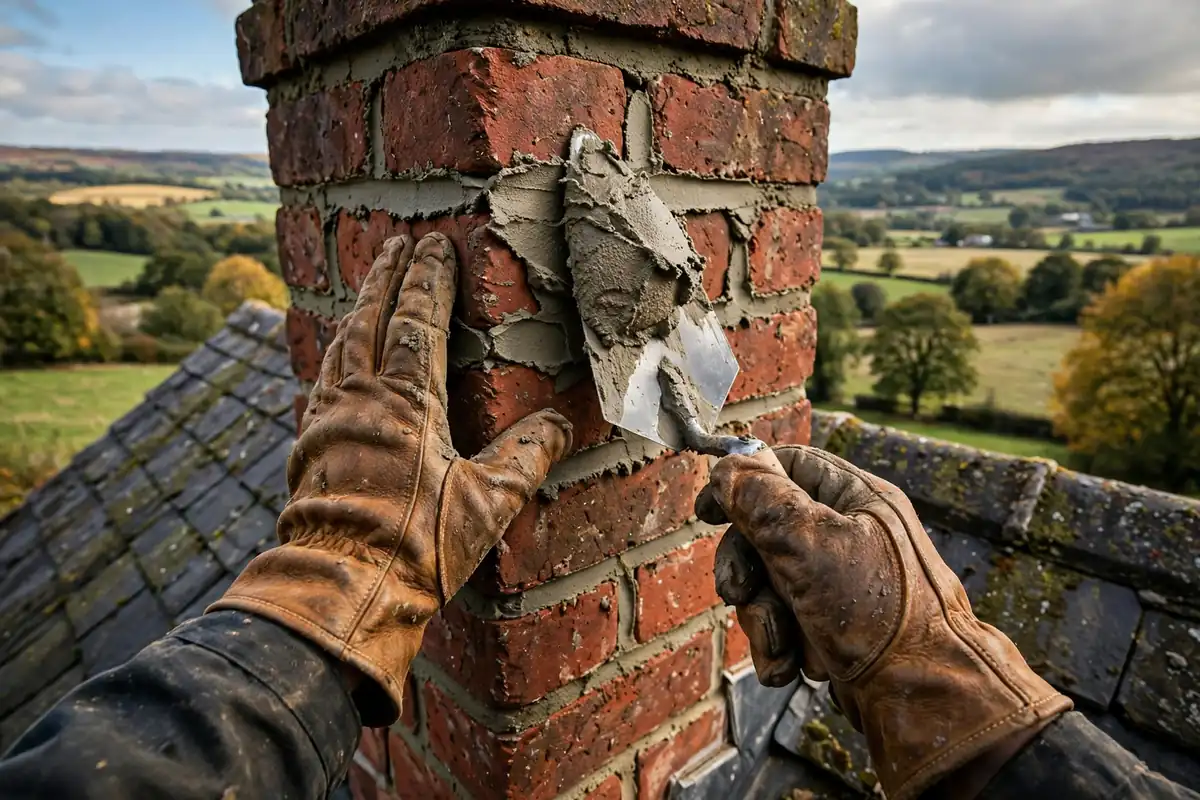
Chimney Repair guide • Quincy, MA
A nor’easter drives rain sideways for hours and gusts hard enough to move anything loose. Once it passes, a twenty-minute walkthrough catches the damage while it is still small.
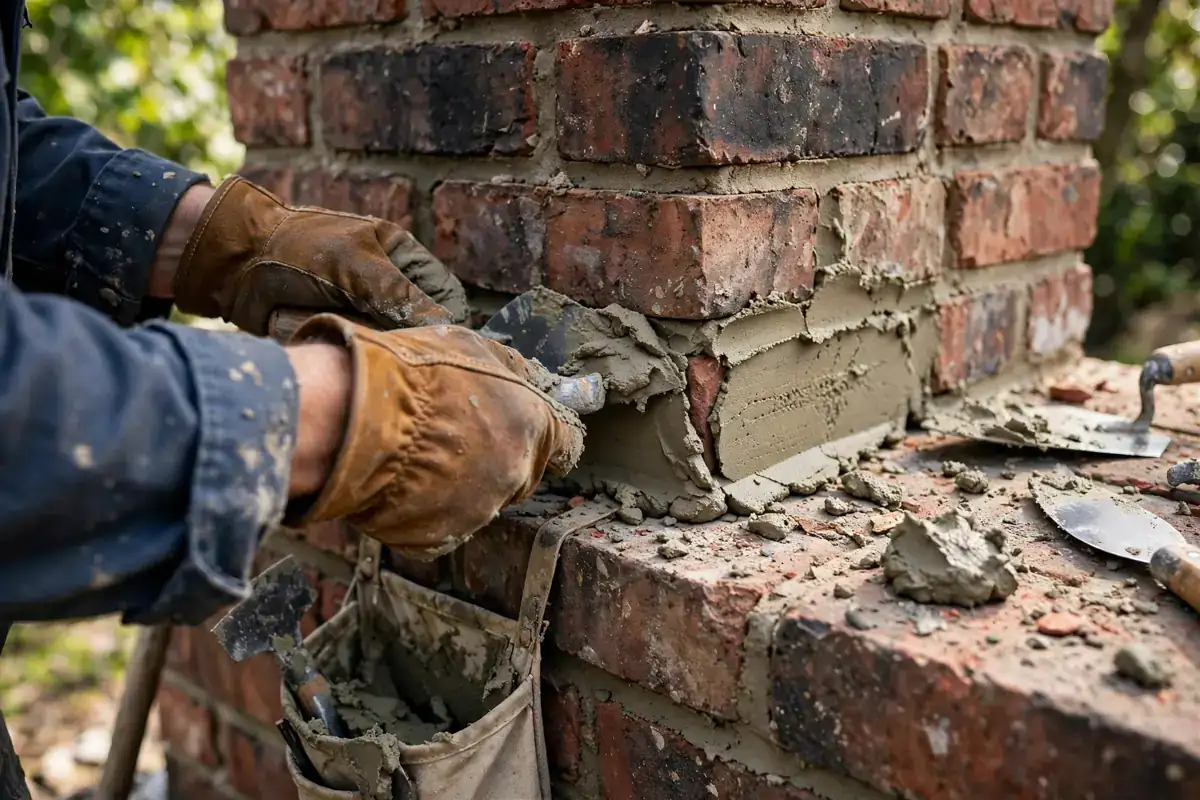
You do not need a ladder for this. Everything below is visible from the ground with binoculars, and it covers the damage storms actually cause.
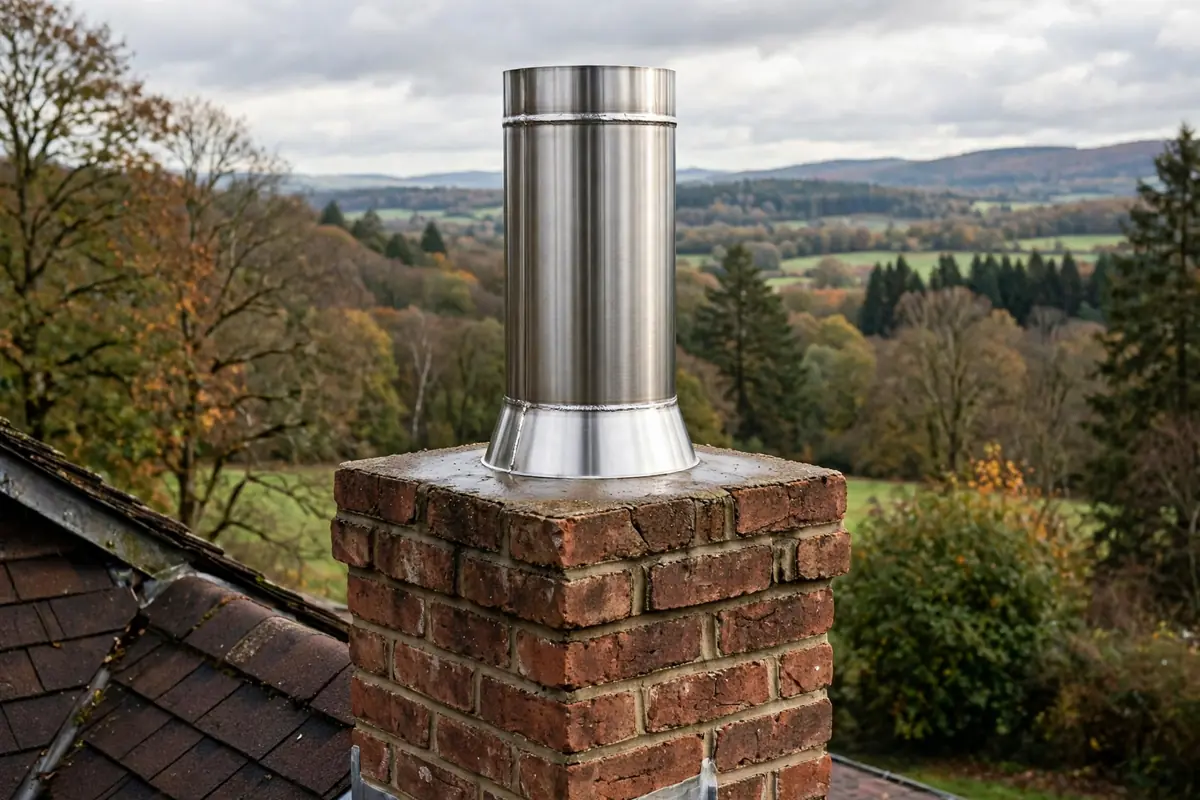
Caps take the full wind. Look for a cap that shifted, tilted, or vanished. A missing cap is an open flue collecting the next rain, so this one jumps the queue.
Wind lifts flashing edges and drives rain under laps. Look for bent metal, new gaps at the brick line, or lifted edges on the windward side. The windward side tells the story.
Bits of mortar or small brick fragments around the base mean the storm worked something loose up top. Mortar on the lawn is never cosmetic.
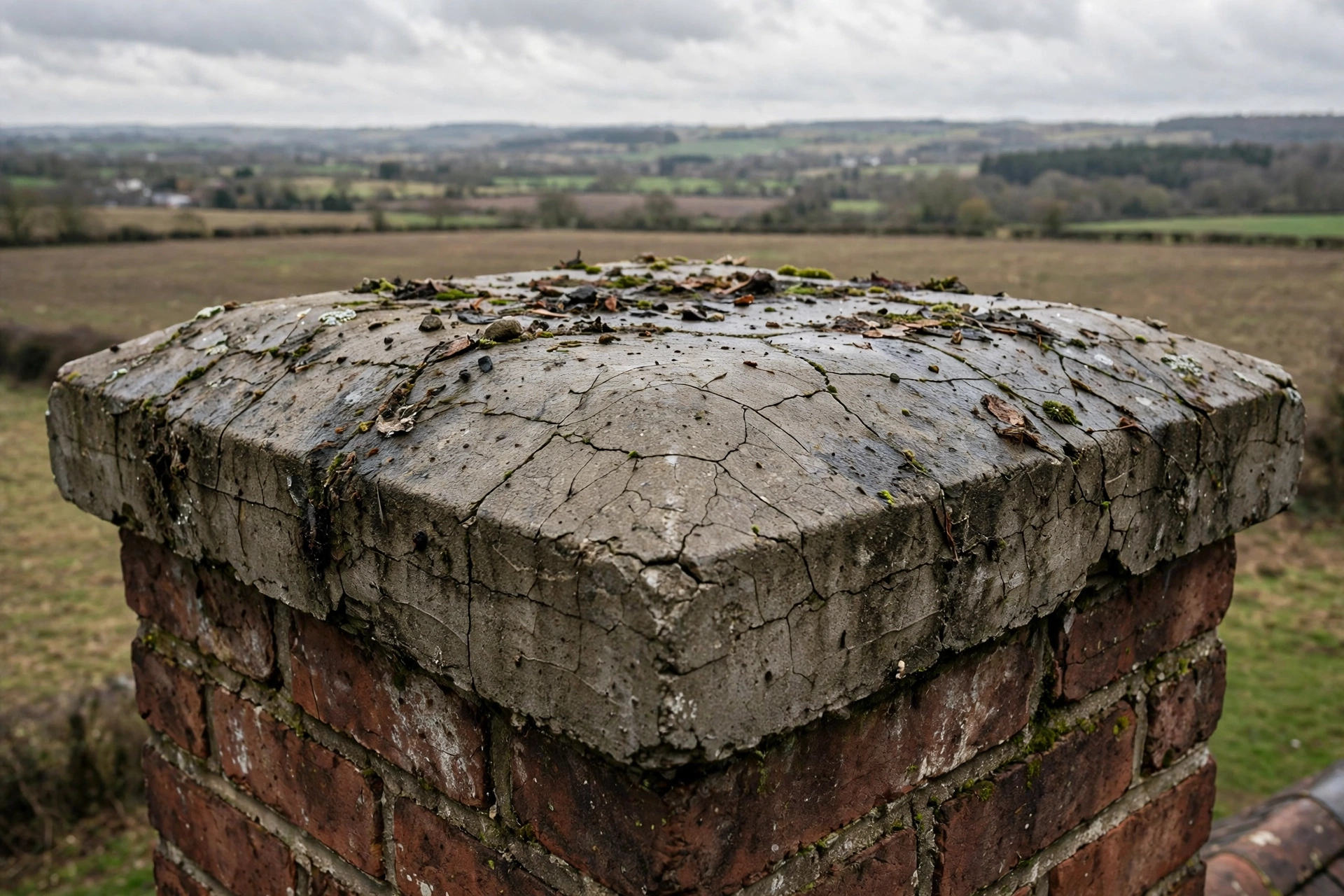
You cannot see the crown from the ground, but you can read it: new damp patches high on the stack or fresh efflorescence after the storm suggest the crown took a hit.
Check ceilings near the chimney 24 to 48 hours after the storm; water takes time to travel. Work the damper too: stiffness after a storm can mean water got down the flue.
Do the walkthrough, photograph anything that changed, and note which storm it followed. Then call (857) 403-9943. Post-storm damage caught in the first weeks is a repair; caught next spring it is often a bigger one.
This site is protected by reCAPTCHA and the Google Privacy Policy and Terms of Service apply.